Bukit Bintang to Petronas Towers 2025
The journey from Bukit Bintang to the iconic Petronas Twin Towers represents one of Kuala Lumpur's most scenic and culturally rich short-distance travels, where every transportation option reveals different perspectives of Malaysia's rapid urban transformation and architectural evolution. Whether walking through covered passages that showcase the city's commitment to pedestrian comfort, riding the ultra-modern MRT system that demonstrates Malaysian engineering excellence, or taking a Grab ride that provides social interaction with local drivers, each route offers unique insights into how Kuala Lumpur has become Southeast Asia's most visitor-friendly metropolis while maintaining its distinctive cultural character.
🚶♀️ Walking Routes: The Complete Experience
Walking from Bukit Bintang to Petronas Twin Towers transforms a simple journey into an architectural adventure that showcases Malaysia's commitment to pedestrian-friendly urban design, where covered walkways, elevated passages, and cultural landmarks create a seamless 15-20 minute experience that many visitors consider more memorable than the destinations themselves.
🗺️ Route 1: The Skybridge Adventure (Weather-Protected)
Distance: 1.4 km | Time: 15-18 minutes | Difficulty: Easy
Starting Point: Pavilion KL Main Entrance (GPS: 3.1456°N, 101.7104°E)
Step 1: Pavilion to Fahrenheit 88 (3 minutes)
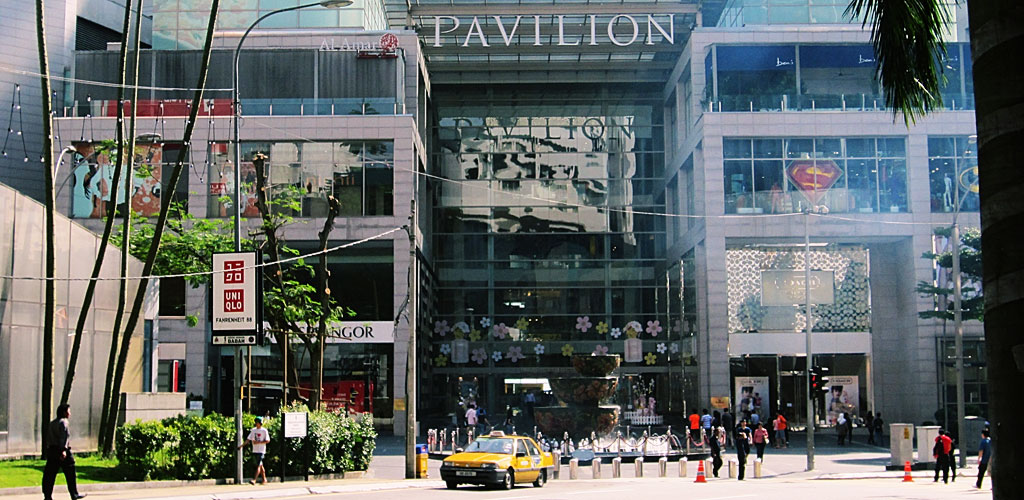
Begin at Pavilion KL's crystal entrance and head northeast through the covered walkway system that connects directly to Fahrenheit 88. This air-conditioned passage features rotating art exhibitions and luxury retail displays that provide cultural insights into Malaysian consumer preferences and artistic expression. The architectural transition from Pavilion's Islamic-inspired geometric patterns to Fahrenheit's contemporary minimalism illustrates Malaysia's design evolution.
Step 2: Fahrenheit 88 to Bukit Bintang MRT (2 minutes)
Navigate through Fahrenheit 88's ground floor to reach the Bukit Bintang MRT station entrance, where you'll discover one of KL's most impressive examples of transportation architecture integration. The station's soaring ceiling design incorporates traditional Malaysian motifs while maintaining ultra-modern functionality that rivals international standards.
Step 3: Underground Passage Navigation (4 minutes)
Follow the underground walkway system that connects Bukit Bintang MRT to KLCC MRT stations, passing through a fascinating underground commercial area that includes restaurants, shops, and cultural displays. This subterranean journey reveals Malaysia's investment in weather-protected urban mobility while providing air-conditioned comfort during hot tropical days.
Step 4: KLCC Emergence to Petronas Towers (6 minutes)
Emerge from KLCC MRT station directly into Suria KLCC shopping center, where escalators and moving walkways guide visitors seamlessly to the Petronas Towers base. The final approach through Suria KLCC provides spectacular upward views of the towers' architectural details while passing luxury retail spaces that showcase international brands alongside Malaysian cultural products.
Weather Advantage: 90% covered route with air conditioning, perfect during monsoon season or extreme heat
🗺️ Route 2: The Cultural Discovery Walk (Outdoor Experience)
Distance: 1.6 km | Time: 18-22 minutes | Difficulty: Easy-Moderate
Starting Point: Bintang Walk Plaza (GPS: 3.1478°N, 101.7092°E)
Step 1: Bintang Walk to Jalan Ampang (5 minutes)
Begin at the heart of Bintang Walk and head east along Jalan Bukit Bintang toward Jalan Ampang, passing through the district's entertainment core where neon signs, street food vendors, and cultural diversity create an authentic Malaysian urban experience. Morning walks reveal the setup routines of food stalls and shops, while evening walks showcase the famous neon spectacular.
Step 2: Jalan Ampang Cultural Corridor (8 minutes)
Turn north onto Jalan Ampang, one of KL's most historically significant streets, where colonial architecture coexists with modern developments. This stretch features several cultural landmarks including traditional Chinese shophouses, Islamic architectural elements, and contemporary Malaysian design that illustrates the country's architectural evolution over different historical periods.
Step 3: KLCC Park Approach (5 minutes)
Continue along Jalan Ampang until reaching the KLCC Park entrance, where the urban environment transforms into a carefully designed green space that provides the perfect natural foreground for Petronas Towers photography. The park's design incorporates traditional Malaysian landscaping principles with contemporary urban planning concepts.
Step 4: Park Crossing to Towers Base (4 minutes)
Walk through KLCC Park's central pathway, enjoying the cooling effect of water features and mature tropical trees that provide natural air conditioning. This final approach offers the most dramatic reveal of the Petronas Towers' full architectural majesty, with multiple photography opportunities and cultural observation points.
Cultural Bonus: Maximum exposure to authentic Malaysian street life, architecture, and urban culture
⏰ Optimal Walking Times & Conditions
Best Morning Time (7-9 AM): Cool temperatures, clear skies, morning light perfect for photography, observe local commuter culture
Ideal Evening Time (5-7 PM): Golden hour lighting for spectacular tower photos, evening urban energy, cooler temperatures after afternoon heat
Monsoon Strategy: Use Route 1 for maximum weather protection, carry compact umbrella for brief outdoor sections
Photography Planning: Morning offers clearer skies and better tower visibility, evening provides dramatic lighting and urban atmosphere
🚇 MRT: Modern Malaysian Engineering
The Mass Rapid Transit system connecting Bukit Bintang to KLCC represents Malaysia's achievement in world-class public transportation, where the journey itself becomes an experience in contemporary Malaysian engineering, architectural design, and cultural integration that rivals the best metro systems globally while maintaining distinctive local character.
Station Architecture as Cultural Experience - Both Bukit Bintang and KLCC MRT stations function as underground cultural centers, featuring public art installations, architectural elements that incorporate traditional Malaysian design motifs, and commercial spaces that showcase local businesses alongside international brands, creating environments that educate visitors about Malaysian culture while providing transportation services.
🚊 MRT Journey Details
Route Information
- Line: Kajang Line (Blue Line) - Bukit Bintang to KLCC stations
- Journey Time: 3 minutes direct travel + 5-8 minutes station navigation
- Total Time: 10-12 minutes door-to-door including walking to platforms
- Frequency: Trains every 3-5 minutes during peak hours, 5-7 minutes off-peak
Ticketing & Costs
- Single Journey: RM2.50 via token or stored value card
- Touch 'n Go Card: RM2.30 with electronic payment discount
- Day Pass: RM8-12 for unlimited rides (worthwhile if making 4+ journeys)
- Weekly Pass: RM25-30 for frequent travelers
Accessibility Features
- Wheelchair Access: Full elevator access, designated spaces in trains
- Visual Assistance: Clear signage in English, Bahasa Malaysia, and Chinese
- Audio Announcements: Multilingual station announcements
- Emergency Systems: 24/7 security monitoring, emergency communication points
🎯 MRT Navigation Pro Tips
Platform Strategy: Board from the center of the platform for fastest exit at KLCC station
Rush Hour Timing: Avoid 7-9 AM and 5-7 PM for maximum comfort, but experience authentic Malaysian commuter culture
Cultural Observation: Notice the linguistic diversity as passengers switch between languages mid-conversation
Photography Rules: Station photography allowed, but respect fellow passengers' privacy
Emergency Preparedness: Download MyRapid KL app for real-time service updates and station maps
The MRT journey provides excellent opportunities for cultural observation, where the diversity of Malaysian society becomes visible through passenger interactions, linguistic patterns, and social customs that offer insights into the country's multicultural harmony and modern urban lifestyle.
🚗 Grab Rideshare: Social & Cultural Connection
Grab rides between Bukit Bintang and Petronas Towers offer more than transportation convenience, providing opportunities for cultural exchange with local drivers who often become impromptu cultural ambassadors, sharing insights about Malaysian life, local recommendations, and perspectives on the country's development that transform brief journeys into valuable cultural learning experiences.
Driver Interaction Opportunities - Malaysian Grab drivers frequently engage in friendly conversations with international passengers, offering recommendations for authentic local experiences, explaining cultural practices, and sharing perspectives on Malaysian society that provide insights unavailable through guidebooks or tourist information sources.
🚗 Grab Service Details
Service Options & Pricing
- GrabCar Economy: RM8-12 during normal hours, air-conditioned comfort
- GrabCar Premium: RM12-18 for luxury vehicle experience
- GrabShare: RM5-8 shared rides with potential cultural interaction
- Peak Hour Surcharge: 1.2-1.8x multiplier during high demand periods
Journey Experience
- Travel Time: 5-8 minutes direct route, 8-15 minutes during traffic
- Route Options: Drivers often know traffic shortcuts and scenic alternatives
- Cultural Exchange: Many drivers enjoy practicing English and sharing local knowledge
- Payment Methods: Cash, GrabPay, credit cards accepted
Booking Strategy
- Pickup Points: Use major landmarks like Pavilion KL or Starhill Gallery for easier driver location
- Traffic Awareness: Allow extra time during peak hours and rain conditions
- Cultural Etiquette: Greet drivers politely, ask permission before playing music
- Tipping Practice: Small tips appreciated but not required, round up to nearest ringgit
🚌 Alternative Transportation Options
Beyond the primary walking, MRT, and Grab options, several alternative transportation methods provide different perspectives on Malaysian urban mobility while offering varying levels of cultural immersion, cost efficiency, and convenience for travelers with specific needs or interests.
Traditional Taxi Experience - Metered taxis offer a more traditional Malaysian transportation experience, where negotiating skills and cultural interaction become part of the journey. Experienced travelers often prefer taxis for the opportunity to practice Bahasa Malaysia and experience Malaysian hospitality in its traditional form.
🚌 Additional Transport Methods
City Bus System
- Routes: Several bus lines connect the areas with multiple stops
- Cost: RM1-2 for extremely budget-conscious travelers
- Time: 15-25 minutes depending on traffic and stops
- Cultural Value: Maximum local interaction and authentic urban experience
Traditional Taxi Service
- Metered Rate: RM8-15 depending on traffic conditions
- Negotiated Flat Rate: RM10-12 for short distances
- Cultural Exchange: Practice Bahasa Malaysia, learn local perspectives
- Availability: Easy to find near major hotels and shopping centers
Bicycle/E-Scooter Options
- Bike Sharing: Limited availability, check local apps for docking stations
- E-Scooter Rentals: Emerging option for adventurous travelers
- Safety Considerations: Heavy traffic requires experienced urban cyclists
- Weather Dependency: Tropical climate and sudden rain make this challenging
⏰ Timing Strategy & Traffic Patterns
Understanding Kuala Lumpur's traffic rhythms and cultural timing patterns enables optimal journey planning that minimizes travel time while maximizing cultural observation opportunities and photographic potential during different times of day that reveal varying aspects of Malaysian urban life.
Rush Hour Cultural Phenomena - Morning and evening rush hours provide fascinating insights into Malaysian work culture, commuting patterns, and social interactions that demonstrate the country's economic vitality and cultural diversity in ways that off-peak travel cannot reveal.
⏰ Traffic & Timing Guide
Peak Traffic Periods (Avoid for Speed)
- Morning Rush: 7:00-9:30 AM - Heavy traffic, crowded MRT, but authentic commuter culture
- Evening Rush: 5:00-7:30 PM - Longest delays, but vibrant urban energy
- Friday Prayer Time: 12:00-2:00 PM - Moderate traffic adjustments for religious observance
- Weekend Evening: 6:00-9:00 PM - Entertainment district congestion
Optimal Travel Windows
- Mid-Morning Sweet Spot: 9:30-11:30 AM - Clear traffic, good weather, perfect lighting
- Early Afternoon: 2:00-4:00 PM - Minimal traffic, air-conditioned comfort important
- Late Evening: 8:00-10:00 PM - Traffic cleared, neon lights activated, cooler temperatures
- Early Morning: 6:00-7:00 AM - Minimal traffic, sunrise photography opportunities
Weather Impact Considerations
- Rain Delays: Sudden tropical downpours can double travel times
- Flooding Potential: Some routes affected during heavy monsoon periods
- Heat Index: Afternoon walking becomes challenging during hot seasons
- Visibility: Haze conditions occasionally affect outdoor photography
📸 Photography & Sightseeing En Route
The journey from Bukit Bintang to Petronas Towers provides countless photography opportunities and cultural observation points that many visitors overlook in their rush to reach the famous towers, missing architectural details, street art, and cultural scenes that often prove more memorable than the destination attractions themselves.
Architectural Photography Opportunities - The route showcases Malaysia's architectural evolution from colonial influences through contemporary Islamic-inspired design to ultra-modern international styles, providing photography enthusiasts with diverse subjects that tell visual stories about Malaysian cultural development and urban planning philosophy.
📷 En Route Photography Guide
Architectural Highlights
- Pavilion KL Crystal Entrance: Islamic geometric patterns in contemporary glass design
- Fahrenheit 88 Facade: Minimalist Malaysian modernism with cultural motifs
- Underground Architecture: MRT station design showcasing Malaysian engineering
- Transition Perspectives: Urban development contrasts and architectural evolution
Cultural Scene Documentation
- Street Life: Food vendors, commuters, social interactions
- Signage Diversity: Multilingual signs reflecting Malaysian linguistic diversity
- Fashion & Style: Contemporary Malaysian urban fashion and cultural dress
- Religious Observance: Prayer time activities, cultural practices
Technical Photography Tips
- Golden Hour Walking: 5:30-6:30 PM provides optimal lighting for both route and towers
- Blue Hour Magic: 7:00-8:00 PM captures neon activation and architectural lighting
- Monsoon Photography: Covered walkways enable all-weather documentation
- Cultural Sensitivity: Always ask permission before photographing people
💡 Insider Tips & Local Knowledge
Experienced travelers develop sophisticated strategies for maximizing the Bukit Bintang to Petronas Towers journey, combining transportation efficiency with cultural immersion and practical considerations that transform routine travel into enriching experiences that provide lasting memories and cultural insights.
🎯 Expert Travel Strategies
Cultural Integration Tips
- Language Phrases: Learn "Terima kasih" (thank you) and "Maaf" (excuse me) for respectful interactions
- Prayer Time Awareness: Respect Friday prayer schedules and Ramadan considerations
- Dress Code Sensitivity: Modest clothing appreciated, especially when walking through cultural areas
- Social Etiquette: Understand Malaysian concepts of personal space and polite interaction
Money-Saving Strategies
- Touch 'n Go Optimization: Use stored value cards for all public transport discounts
- Walking + MRT Combination: Walk one direction, return via MRT for varied experience
- Group Grab Sharing: Split rides with fellow travelers for cost efficiency
- Free Alternative Routes: Use covered shopping center passages during extreme weather
Safety & Comfort Considerations
- Hydration Strategy: Carry water during walking routes, refill at shopping centers
- Emergency Contacts: Save local emergency numbers and embassy information
- Weather Preparedness: Monitor sudden tropical weather changes
- Crowd Management: Understand peak hours for personal comfort preferences
🌟 Making the Journey Part of the Experience
The most memorable trips to Petronas Towers often focus as much on the journey as the destination, where travelers discover that the route itself provides authentic insights into Malaysian urban life, architectural achievement, and cultural diversity that enhance appreciation for the towers themselves while creating comprehensive understanding of Kuala Lumpur's remarkable transformation.
Successful travelers approach this short journey as an opportunity for cultural immersion rather than merely transportation necessity, discovering that each route option reveals different aspects of Malaysian society, from the engineering excellence visible in MRT stations to the entrepreneurial spirit evident in street-level commercial activity.
🔗 Connecting to Broader KL Exploration
The transportation skills and cultural awareness developed during Bukit Bintang to Petronas Towers travel translate directly to broader Kuala Lumpur exploration, where understanding Malaysian transportation systems, cultural etiquette, and urban navigation enables confident exploration of shopping districts, dining areas, and entertainment zones throughout the metropolitan area.
The journey becomes practice for more complex urban navigation while building confidence in Malaysian cultural interaction that enhances every subsequent travel experience throughout the country and region.